

Born: Lisbon, Portugal
Lived: 1195–1231
Titles: Doctor of the Church, Hammer of Heretics, Arc of the Testament
Before the world knew him as Saint Anthony of Padua, he was Fernando of Lisbon: young, gifted, well-educated, and already formed in religious life. He had entered the Augustinian Canons Regular, a community devoted to prayer, study, discipline, and the service of the Church.
Anthony wasn't some ignorant wanderer who stumbled into holiness. He was a serious man, trained in Scripture and theology, with the kind of mind that could have lived contently among books for the rest of his life.
Then an ordinary day at the monastery was broken by grief: five martyred Franciscan missionaries had been brought home from Morocco, killed for preaching Christ.
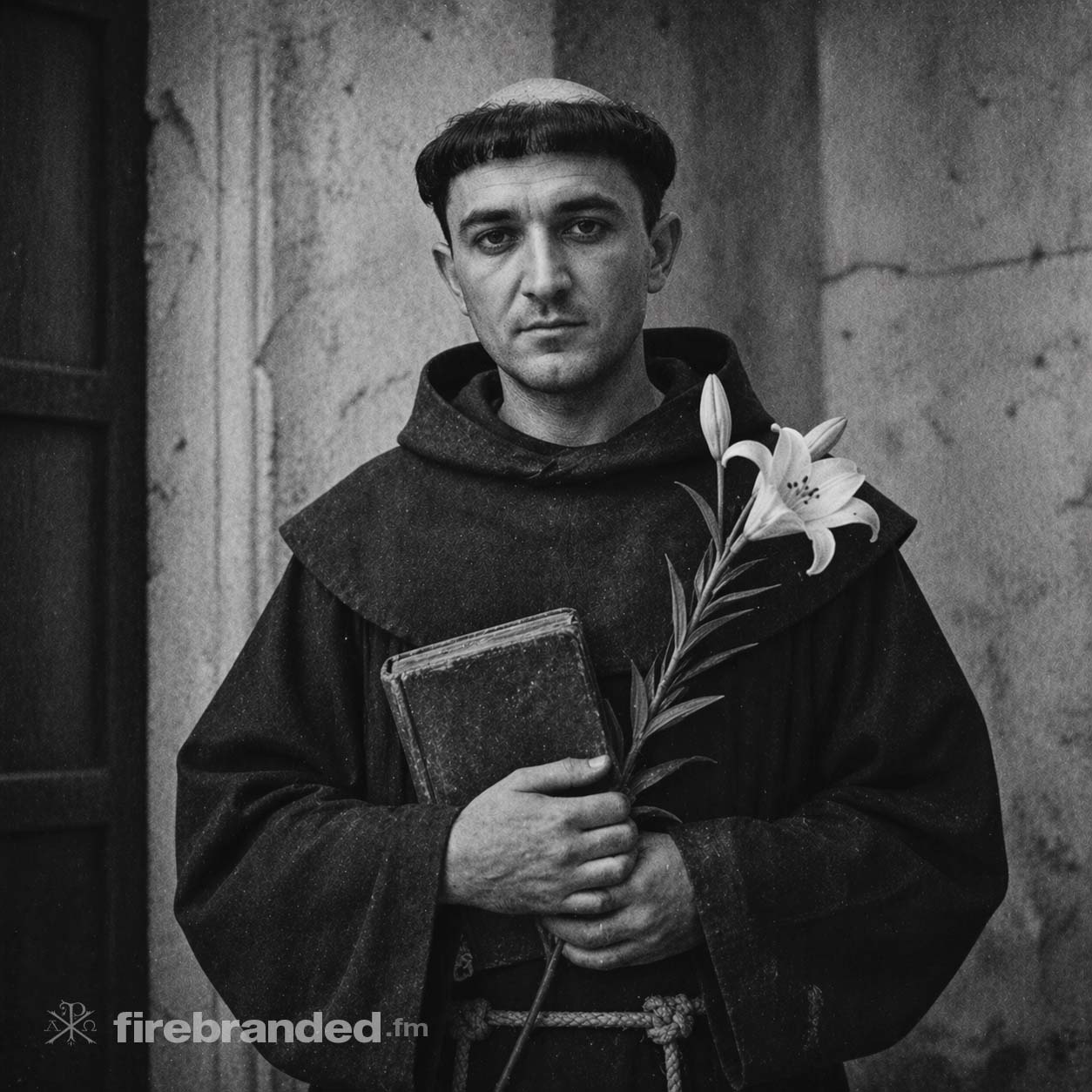
Their witness struck Fernando deeply. He saw in them an inspiring simplicity, a willingness to spend everything for the Gospel. So he left the Augustinians, joined the young Franciscan Order, taking the name Anthony. He then set his sights on Morocco, hoping to preach the Gospel there himself. Some accounts suggest he even desired martyrdom.
But Morocco did not become his battlefield. It became the place where his plans fell apart.
Continues below
Anthony became seriously ill. Weak, exhausted, and unable to continue the mission, he had to sail back to Portugal. But his ship was blown off course during a ferocious storm and instead he landed in Sicily. The man who had gone out hoping to become a missionary martyr arrived in Italy very sick, displaced, and unknown.
Then things got "interesting"
From Sicily he eventually made his way into the Franciscan world in Italy. Because of his weakened appearance and quiet manner, his gifts were not immediately recognized. He was sent to a humble Franciscan hermitage at Montepaolo, where he lived in obscurity in prayer, study, and service. He often chose the most humble duties, doing lowly work around the friary, even kitchen work.
The brilliant theologian accepted hidden, ordinary labor without announcing himself.
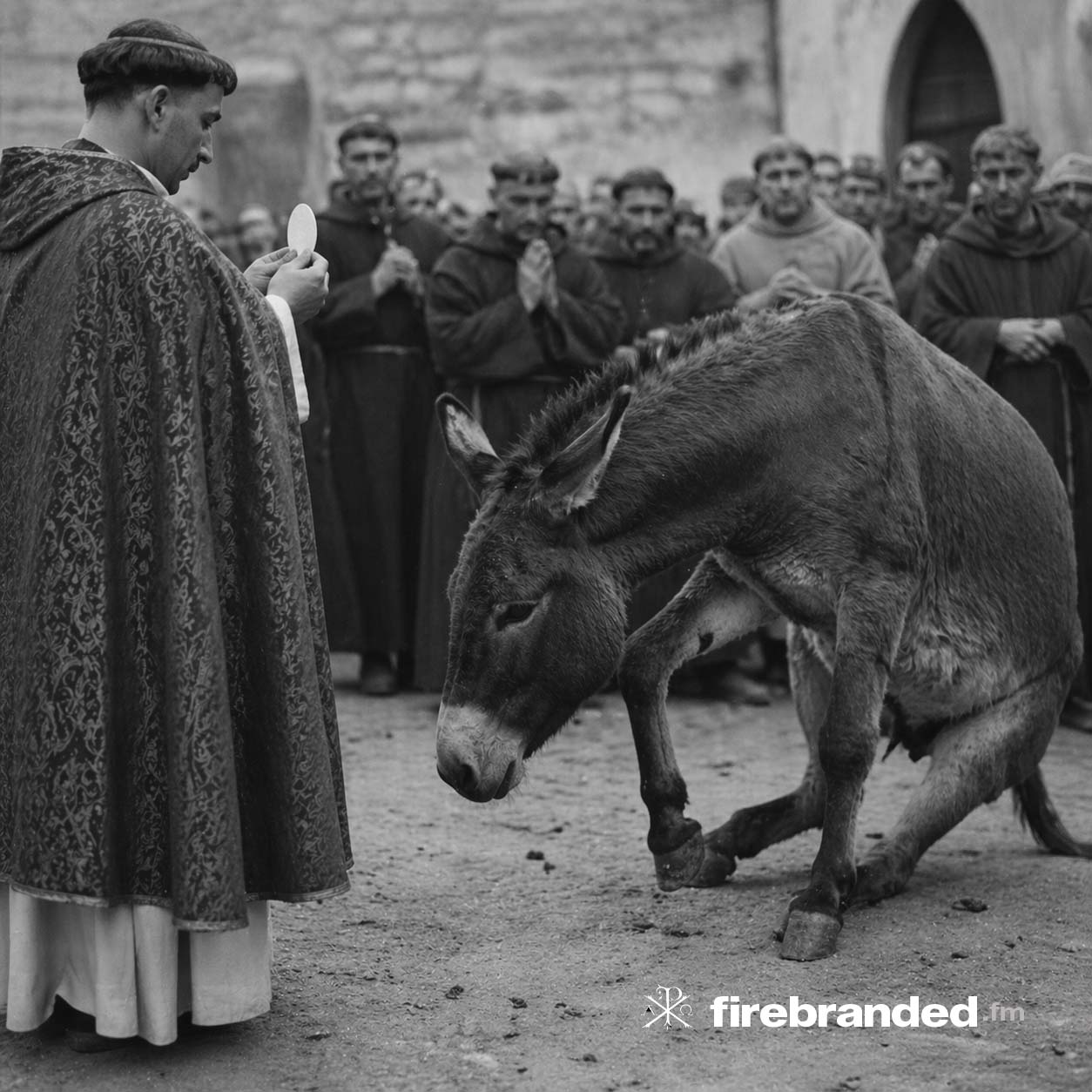
Then Providence exposed what humility concealed.
At an ordination in Forlì, no one was prepared to preach. Anthony was asked to say a few words. The quiet friar stood up, and what came out of him stunned the listeners: deep knowledge of Scripture, theological clarity, spiritual force, and a preacher’s command of the soul.
The Franciscans suddenly realized that the sick, obscure brother in their midst was no ordinary friar.
From there, Anthony became one of the great preachers of the Church. He taught theology, preached repentance, defended the truth of the faith, and called sinners back to Christ with astonishing power. He became known as the “Hammer of Heretics,” not because he was a cruel man, but because his preaching struck error with clarity. He knew Scripture, he knew doctrine, and he knew how to expose falsehood in a way that brought people back to the truth.
Anthony was not interested in winning arguments for the sake of argument. His aim was conversion. The hammer was not for smashing people. It was for breaking the grip of error.
Pope Gregory IX would later call him the “Ark of the Testament,” and the Church would eventually honor him as a Doctor of the Church.
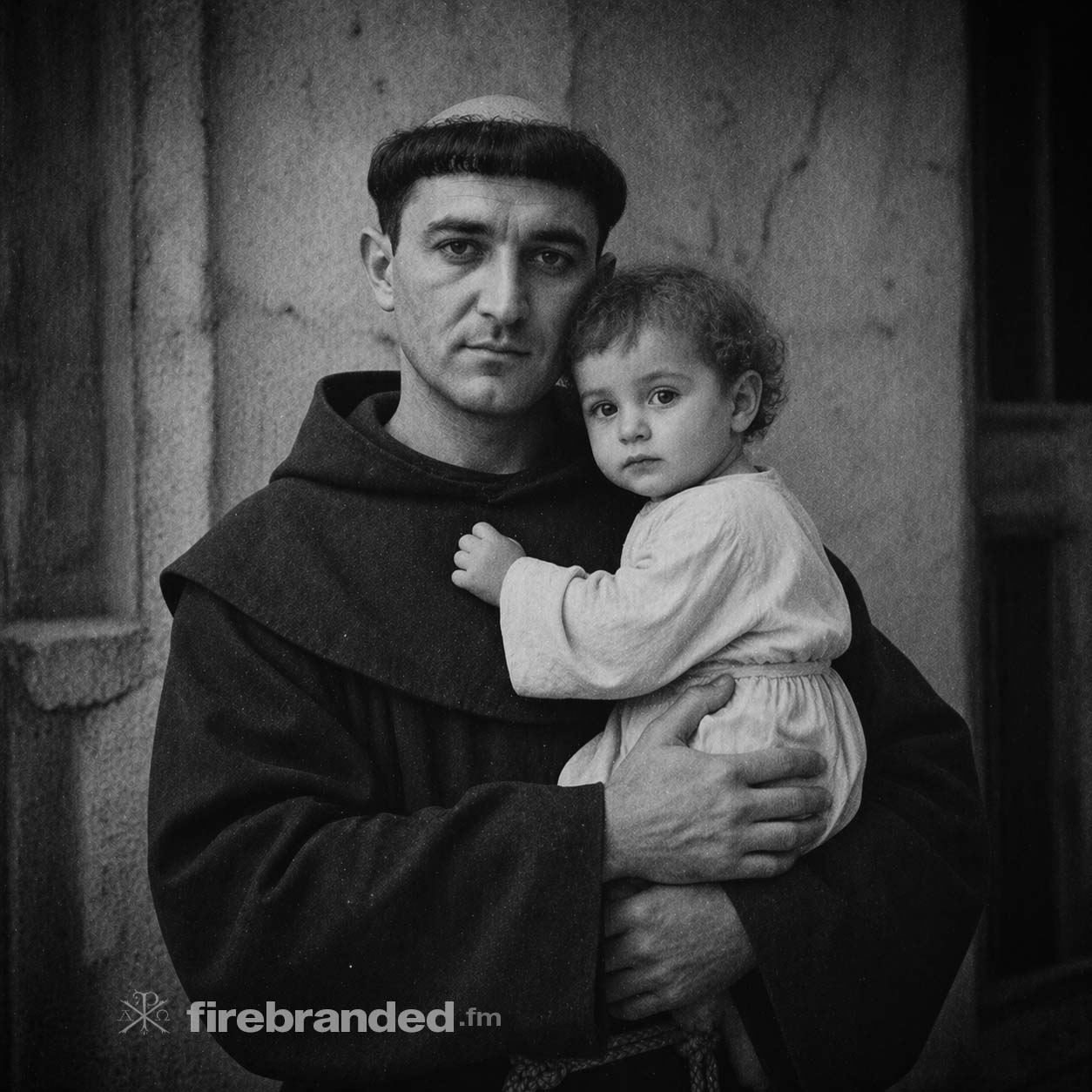
Saint Anthony went looking for martyrdom in Morocco. Instead, he found sickness, failure, obscurity, and the kitchen. But that apparent collapse became the road to his true mission. God did not waste Anthony’s failed plan. He used it to strip away ambition, hide him in humility, and then reveal him at the appointed time.

Member discussion